



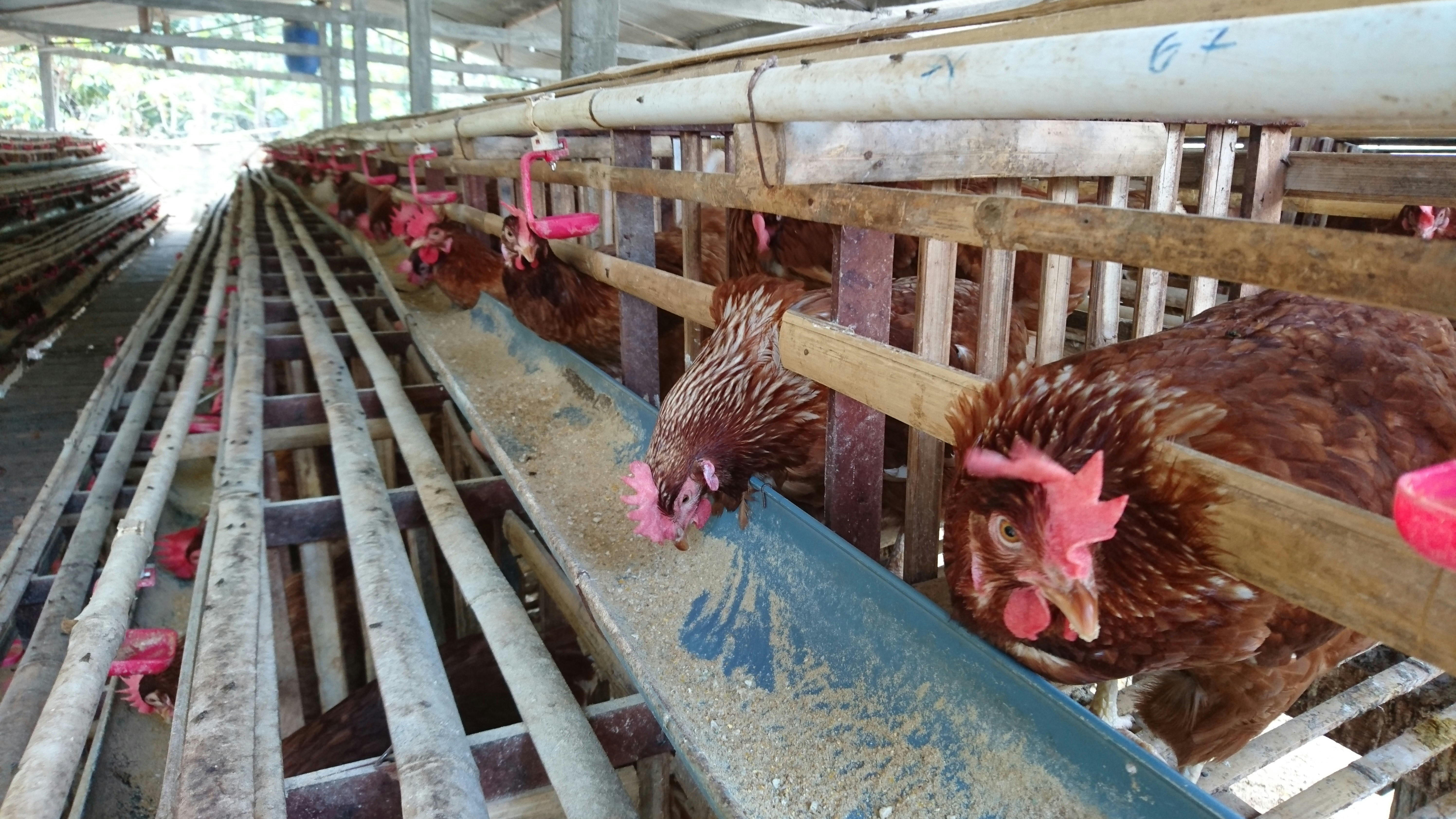
Introduction to Poultry Farming
Poultry farming refers to the practice of raising domestic birds for various purposes, primarily for meat and egg production. This branch of agriculture has considerable significance due to its contributions to food security, nutrition, and economic development. By providing a source of protein through poultry products, such as chicken and eggs, poultry farming plays a vital role in feeding the global population. With a growing demand for affordable and nutritious food, the relevance of poultry farming continues to rise.
The most commonly raised birds in poultry farming include chickens, ducks, turkeys, and geese. Each of these species offers different products, catering to varying consumer preferences and dietary needs. Chickens are the most prevalent, known for their prolific egg production and rapid weight gain for meat. Ducks, recognized for their unique taste, contribute to culinary diversity, especially in specific cultural cuisines. Turkeys are primarily raised for their meat, particularly during festive seasons, while geese are often valued for their fatty liver, which is a delicacy in several regions.
Beyond mere food production, poultry farming encompasses various components that contribute to its sustainability and efficiency. The housing, feeding, breeding, and health management of the birds are crucial elements that farmers must consider. Modern advancements in technology have also led to improved practices in poultry management, ensuring high yields and welfare standards. The integration of biosecurity measures helps protect flocks from diseases, thereby strengthening the overall productivity of poultry operations.
In conclusion, poultry farming stands as a cornerstone of agricultural development, addressing the needs for dietary proteins while fostering economic growth. Its significance in ensuring food security cannot be overstated, as it continues to evolve through innovation and sustainable practices.
Types of Chickens for Poultry Farming
Poultry farming encompasses various breeds of chickens, each offering unique characteristics that cater to different farming needs. Understanding these types is crucial for prospective farmers, as it allows them to make informed decisions tailored to their goals and resources.
One of the most common types of chickens raised for meat production is the broiler. Broilers are specifically bred for their rapid growth and provide a high feed-to-meat conversion ratio, making them economically viable for meat production. Typically, they are ready for market in six to seven weeks, and they thrive in a controlled environment with ample space, proper ventilation, and a balanced diet rich in protein. Farmers often choose broilers when the primary goal is to maximize meat output efficiently.
In contrast, layer chickens are primarily raised for egg production. Layers are bred to produce a significant number of eggs over their lifespan, often exceeding 300 eggs per year. These chickens have a leaner body type compared to broilers and require a different nutritional balance, including sufficient calcium for strong eggshells. Ideal conditions for layers involve providing a clean and cozy nesting area, accessible feed, and clean water supply. Layers are best suited for farmers aiming to enter the egg market.
Additionally, dual-purpose chickens combine the advantages of both broilers and layers. Breeds such as Rhode Island Reds and Sussex are valued for their ability to produce both meat and eggs, making them versatile for small-scale farming. These chickens typically grow at a moderate pace and are known for their hardiness, allowing them to adapt to various environmental conditions. They are particularly ideal for backyard poultry farming, where both meat and egg production is desired.
In conclusion, selecting the right type of chicken is fundamental in poultry farming. Broilers, layers, and dual-purpose breeds each serve specific purposes and require particular care and management practices, which can greatly influence the success of a poultry farming venture.
Choosing the Best Chicken Breeds
Selecting the most suitable chicken breeds is a crucial component of a successful poultry farming operation. Various factors must be considered to ensure that the chosen breeds align with production goals and other operational parameters. One of the primary factors to evaluate is the specific production goals of the poultry farm, which can range from egg production to meat production or dual-purpose breeds that serve both purposes. Identifying these goals allows farmers to concentrate on breeds that meet their specific requirements.
Climate also plays an essential role in breed selection. Different breeds exhibit varying degrees of adaptability to climate conditions such as temperature extremes, humidity levels, and local diseases. For instance, heat-tolerant breeds like the Leghorn may thrive in warmer climates, while cold-hardy breeds, such as the Rhode Island Red, may be more suited for colder regions. Understanding the local climate is imperative for maximizing the health and productivity of the chickens.
Another factor to consider is the availability of resources, including space, feed, and water. Some breeds require significantly more space and specialized diets than others, which can impact operational costs. Therefore, it is advisable to conduct thorough research on the breeds and match them with the available resources in order to optimize performance.
Market demand is equally significant when selecting chicken breeds. The preference for certain types of chicken, whether for meat or eggs, may vary by region or consumer trends. Performing market research helps poultry farmers to align their breed choices with what is in demand, enabling better profitability and reduced risk of surplus. By carefully evaluating production goals, climate considerations, resource availability, and market demand, poultry farmers can make informed decisions that contribute to a thriving farming operation.
Profitability of Poultry Farming
Poultry farming has emerged as a lucrative agricultural venture, primarily due to the increasing global demand for poultry products, such as meat and eggs. The financial potential of this industry largely hinges on two main income streams: the sale of broilers for meat and the production of eggs from layers. According to the Food and Agriculture Organization (FAO), global poultry meat consumption is expected to rise continuously, driven by population growth and urbanization, creating significant opportunities for poultry farmers.
The profitability associated with poultry farming is not solely dependent on sales figures; operational costs also play a critical role. These costs include feed, housing, labor, health management, and utilities. Feed represents approximately 60-70% of the total operational costs in poultry farming, which necessitates strategic procurement to ensure quality while controlling expenses. Farmers can enhance profitability by optimizing feed conversion ratios and implementing efficient management practices that reduce overall feed wastage. Additionally, incorporating biosecurity measures can mitigate health risks, thereby limiting losses due to disease outbreaks.
Market prices for poultry products fluctuate based on various factors, including supply, demand, and seasonal trends. For instance, prices may rise during festive seasons, impacting revenue generation for farmers. Establishing solid market connections and potentially diversifying product offerings, such as organic or free-range poultry, can also enhance profitability. Furthermore, engaging in value-added services, such as processing and packaging, may offer an additional revenue stream. Recent statistics suggest that an average poultry farm can yield a profit margin ranging from 20% to 30%, making it an appealing option for prospective agricultural entrepreneurs.
In conclusion, by carefully analyzing income possibilities, controlling operational costs, and understanding market dynamics, farmers can unlock the financial potential of poultry farming as a sustainable and profitable business endeavor.
Initial Investment and Setup Costs
Starting a poultry farming operation requires a significant initial investment, which can vary widely based on the scale and type of poultry being raised. The financial aspects of poultry farming typically include costs related to infrastructure, equipment, feed, and livestock. Understanding these expenses is crucial for anyone considering entering this agricultural sector.
Infrastructure involves building suitable housing for the birds to ensure their health and productivity. Poultry houses can range considerably in complexity, from simple sheds to advanced climate-controlled facilities. The costs associated with building such structures can include land acquisition, construction materials, labor, and permits. It is advisable to create a detailed plan that outlines the necessary specifications for the poultry housing that aligns with biosecurity measures and local regulations.
Another substantial expense is the purchase of equipment. This includes feeders, waterers, heating systems, and ventilation fans, which are all essential for maintaining a conducive environment for the poultry. Depending on the farming method, additional machinery, such as egg incubators or processing equipment, may also be required. The choice of equipment can influence overall efficiency and cost in the long term.
Feed represents one of the highest ongoing costs in poultry farming. Choosing high-quality feed that meets the specific nutritional requirements of the birds is crucial for optimal growth and production. Establishing relationships with reputable suppliers can help manage these costs. Additionally, setting aside a budget for other recurrent expenses, such as veterinary services and bedding materials, is essential.
Finally, securing financing for these investments can be achieved through various means. Many farmers opt for loans from banks or financial institutions, while others may consider government grants designed to support agricultural ventures. A well-structured financial plan that considers all these elements will significantly contribute to the successful establishment of a poultry farm.
Advantages of Poultry Farming
Poultry farming presents a plethora of advantages that make it a more favorable option compared to other forms of livestock farming, such as fish and pig farming. One of the primary benefits is the minimal space requirement associated with poultry farming. Birds such as chickens, ducks, and turkeys can be raised in considerably smaller areas, making them suitable for both rural and urban settings. This feature allows farmers to maximize productivity without needing extensive land resources, often leading to higher yields per square foot than alternative livestock.
Another significant advantage is the growth rate of poultry. Chickens, for instance, can reach market weight in a remarkably short timeframe, typically within six to eight weeks. This rapid growth enables farmers to achieve faster returns on their investment compared to slower-growing livestock species. The efficiency of poultry also extends to feed conversion ratios. Poultry have some of the best rates of feed conversion among common livestock, meaning they can efficiently transform feed into meat or eggs. This efficiency not only enhances profitability for farmers but also aligns with sustainable agriculture practices by reducing feed costs.
Furthermore, poultry farming can be economically advantageous. The demand for poultry products—primarily meat and eggs—remains high globally. This consistent market demand helps ensure steady income for poultry farmers. Additionally, poultry farming can also generate revenue through the sale of by-products such as feathers and manure, which can be used as organic fertilizers. Overall, the economic benefits of poultry farming, combined with its adaptability to various farming environments and its efficiency in growth and feed utilization, position it as a compelling choice within the agricultural sector.
Challenges in Poultry Farming
Poultry farming is a rewarding and potentially profitable venture; however, it is not without its challenges. One of the most significant issues poultry farmers face is disease management. Poultry are susceptible to a range of diseases, which can lead to significant losses and compromise overall flock health. Regular veterinary care, biosecurity measures, and vaccination programs are essential for preventing outbreaks and managing any health concerns that may arise. Farmers must stay informed about the latest health advisories and implement stringent hygiene practices to mitigate risks.
Market fluctuations also pose a considerable challenge within the poultry industry. Prices for meat and eggs can vary drastically due to factors such as changes in consumer demand, feed costs, and competition from other protein sources. To navigate these fluctuations, poultry farmers can adopt strategies such as diversifying their product offerings, developing direct-to-consumer sales channels, and utilizing data analytics to make informed business decisions. Maintaining open communication with suppliers and processors can also provide insight into market trends and help farmers adapt accordingly.
Another challenge is regulatory compliance. The poultry industry is subject to numerous regulations aimed at ensuring food safety, animal welfare, and environmental protection. Understanding and adhering to local, national, and international regulations can be complex. Poultry farmers should invest time in familiarizing themselves with these legal requirements and consider working with experts in agricultural law or regulatory affairs. Engaging with industry associations can provide valuable resources and support for navigating compliance issues.
By proactively addressing these challenges—disease management, market fluctuations, and regulatory issues—poultry farmers can enhance their operational resilience. With the right strategies in place, they can ensure the sustainability and success of their poultry farming enterprises.
Best Practices for Poultry Farming
Poultry farming involves a variety of practices aimed at improving productivity while ensuring sustainability. Implementing effective management techniques is crucial for the success of poultry enterprises. One fundamental aspect is biosecurity, which helps prevent disease outbreaks that can devastate flocks. Implementing biosecurity measures includes controlling access to poultry areas, sanitizing equipment, and monitoring employee health. Regular health checks and vaccinations also play a significant role in maintaining flock health, thereby reducing losses and enhancing growth rates.
Feeding techniques are another critical component of successful poultry farming. Providing a balanced diet tailored to the specific needs of the birds—whether broilers, layers, or other poultry types—ensures optimal growth and egg production. Farmers should assess nutritional content and adjust feed formulations based on the age and purpose of the birds. It is also advisable to establish feeding schedules that promote efficient feed conversion and overall flock health.
Breeding practices further contribute to the sustainability of poultry farming. Selecting appropriate breeds based on market demand, environmental conditions, and growth performance can significantly impact productivity. Utilizing artificial insemination and genetic selection can enhance desirable traits such as growth rate, feed efficiency, and disease resistance, leading to more robust flocks.
Health care strategies form the backbone of any poultry farming operation. Regular veterinary consultations can help identify and mitigate health risks early. Farmers should prioritize record-keeping to track bird performance and health indicators effectively. This data-driven approach allows for timely interventions that can prevent larger issues from developing in the flock.
By focusing on these best practices—biosecurity, feeding techniques, breeding practices, and health care strategies—poultry farmers can enhance productivity while promoting long-term sustainability in their operations.
Conclusion: The Future of Poultry Farming
Poultry farming plays a vital role in global agricultural practices, providing a significant source of protein and income for millions worldwide. The trends and innovations discussed throughout this blog post highlight the increasing importance of the sector in sustainable agriculture. As populations rise and dietary demands change, poultry farming will need to evolve to meet these challenges effectively. One of the emerging trends is the shift towards more sustainable practices, including organic feeds and integrated pest management, which minimize the environmental impact of poultry operations.
Furthermore, advancements in technology are reshaping the poultry industry. Innovations such as precision farming, data analytics, and blockchain technology are helping farmers optimize production, maintain animal health, and trace the provenance of poultry products. Automation is also becoming more prevalent, with modern systems allowing for improved efficiency and lower labor costs. These developments not only promise enhanced productivity but also support better welfare standards for poultry.
Another critical aspect of the future of poultry farming lies in addressing consumer preferences. There is an increasing demand for ethically produced, antibiotic-free, and hormone-free poultry products. Farmers who adapt to these market demands by improving their practices and transparency will likely see enhanced customer loyalty and market share. The integration of consumer feedback into farming operations will be crucial for continued success in this competitive sector.
In conclusion, the future of poultry farming is poised for transformation, driven by sustainable practices, technological innovations, and changing consumer expectations. By embracing these trends, poultry farmers can not only secure their livelihoods but also contribute to global food security in an environmentally responsible manner. The growth of this sector will be essential in addressing the challenges of modern agriculture, ensuring that poultry farming remains a cornerstone of food production in the years to come.